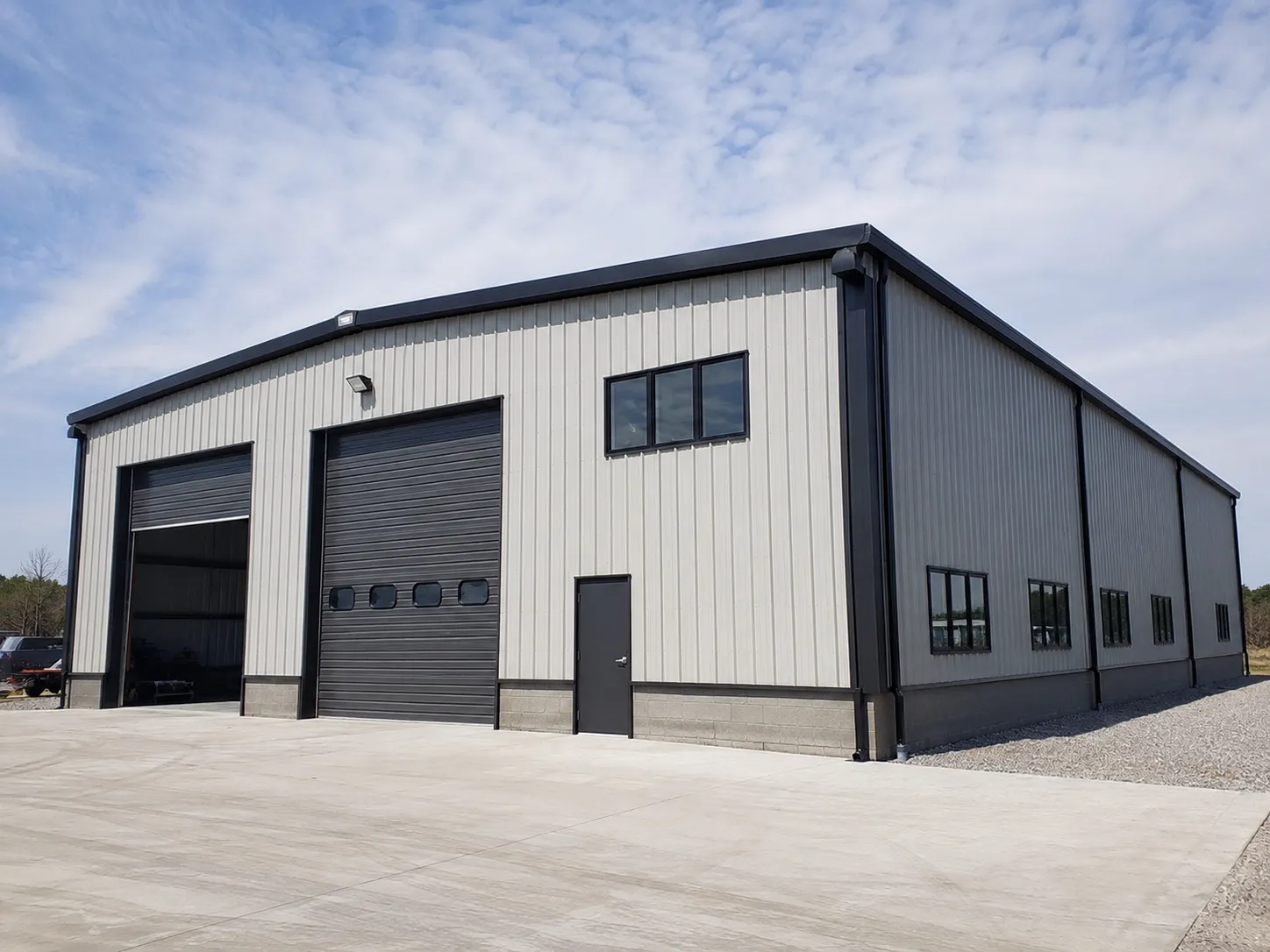
Before putting your money into a steel structure, one of the top things you will likely ask is how long a prefabricated steel building lasts. This is basically a good thing to ask when you are searching for steel building options to use for constructing a warehouse, workshop, agricultural building or your house. The simple answer is that steel building structures outlive mortgagers and probably their grandchildren (if they ever want to own the property). The longer life span of prefabricated steel buildings is dependent on so many factors including the type of steel material used in construction; coatings applied to the outer surfaces of the prefabricated steel buildings; the climate where the building is located; how maintainers take care of the building; and the kind of engineering used during design process before any bolts are tightened up. The lifespan of a steel building is not determined by the steel itself but rather by the salient factors associated with it. Steel does not rot, it does not attract termites, and it will not deform during periods of extreme heat. It corrodes, and the protection from corrosion determines whether your building can last 30 years or 100 years. The numbers are provided in this article, and we’re looking at the numbers that matter and the maintenance practices that help to produce a building that ages gracefully.
Average Lifespan and Strength of Today’s Steel Buildings
Common Lifespan Expectations
In 2026, the majority of the manufacturers will provide a standard estimated life span for prefabricated steel buildings that is between 50 to 100 years+ and this figure is indeed accurate if the right conditions exist. The steel framing is structural, and if kept dry and coated can last for more than a 100 years. The downfall of these structures is primarily the secondary parts (roofing panels, fasteners, sealants, and insulation) which have service life of 20-40 years. These secondary items will require some form of replacement or repair during the life of building.
A good mental image is of the steel structure as permanent, while the building’s skin is a temporary element that must be regularly changed. Many commercial structures made of steel last 60-80 years with routine Maintenance without requiring significant modifications to the steel. Many steel buildings built in the early 1900s are still around, but they have had their cladding replaced and other upgrades done to them.
The warranties given by companies also provide a narrative. Numerous businesses currently provide structural warranties lasting from 25 to 50 years and paint and panel warranties lasting from 20 to 40 years. They’re supported with real-life actuarial evidence & indicate that steel structures truly fulfil the obligations owing to their existence for the mentioned periods.
Steel vs. Wood Construction.
The functional life expectancy of a wood-frame building is generally between 30 and 50 years when major structural repairs could be needed. Wood is not a “bad” material but its properties lead to its attack by moisture, fire, insects, and settling while a steel-framed structure is not subjected to the issues described.
A steel I-beam remains horizontal through the years, unlike a joist built from timber. Steel columns will not be affected by splitting, cracking, or rotting due to dryness. With the presence of termites, such as in the southeastern US or tropical climates, that one difference alone can mean an extra few decades of life to a building. A wood-frame building in those areas usually needs fumigation and/or replacement structural members within the first 15-20 years.
There are many other distinctions when it comes to fire resistance. Steel will never burn; it may melt but typically holds its structural strength until reaching temperatures in excess of 1,100°F. The insurance rate of wood structure will be much higher if is located in the area prone to fire. In the case of 50-yr ownership, an owner can save on a large portion of the installation costs on the steel building because of the insurance.
Environmental and geographical influences
The location of your building is incredibly significant in terms of how your building will perform over the long term. The location itself will directly affect the amount of corrosion that
your building will experience. Buildings on coastal areas will experience the most corrosion of any other location, due to the presence of salt in the air. The salt in the air, will corrode steel
at a rate about five to ten times faster than that experienced by steel in “dry” inland areas. Therefore, a steel building in Phoenix, Arizona will suffer completely different aging processes
from the identical building constructed in Galveston, Texas.
Areas of high humidity have the same problems, too, even areas that do not have exposure to salt water. For example, the Gulf Coast, the Pacific Northwest, and areas of the Midwest with excessive amounts of moisture during specific times of the year create situations in which condensation may develop on the surfaces of steel. When moisture builds up and there is poor ventilation and inadequate insulation, corrosion can develop from the inside of the steel structure.
The amount of snow load and wind exposure also affects structural design elements. Buildings in regions of heavy snow require steeply pitched roofs and strong truss systems, whereas structures in hurricane zones require enhanced connections and bracing. These design elements impact not just whether a building will withstand a single storm event but how much stress fatigue will build up over decades of seasonal weather exposure.
Steel Gauge and Steel Quality
Steel is not all the same. The thickness (gauge) of your steel panels and the grade of your structural members will both have a direct influence on your strength and resistance to corrosion. The thicker steel will take longer to corrode through which is simple of why you need to consider the thicker steel when selecting your steel products but it is often overlooked.
Standard prefabricated buildings use either 26 gauge or 24 gauge steel paneling for both roofing and exterior walls. The electrical conduit may vary in thickness; however, for example, a 24 gauge panel is over 25% thicker than a 26 gauge steel panel. The additional thickness is a major advantage to the building owners because of the longer service life and the increased resistance to denting.
The current standard for the primary structural framing material is ASTM A572 Grade 50 steel because it exhibits the optimal combination of strength and weld ability.
Imported steel sometimes contains higher levels of impurities, and as a result it is often more prone to rust. Reputable manufacturers, using either domestically produced steel or certified imported steel, are worth the small premium in price.
Protective Coatings and Galvanization
The main thing that will decide how long it takes for corrosion to destroy a steel building would be the coating that is on top of the steel. The best way to stop corrosion with a coating is by galvanizing the steel by putting a layer of zinc over it, also known as hot-dipped galvanization. If the steel is galvanized, it will last for at least fifty (50) years to seventy five (75) years in a normal environment, because zinc protects the steel, because zinc corrodes, and it corrodes sacrificially.
Painting systems are an additional layer of protection. These coating types include Kynar 500 (polyvinylidene fluoride) and SMP (silicon modified polyester); they offer protection against ultraviolet light and will provide color retention for 20–40 years. These coatings provide a protective barrier to prevent the formation of microscopic cracks in the paint coating, which allows water to penetrate and reach the steel below.
A few manufacturers provide Galvalume metal panels, which are coated with both zinc and aluminum. The performance of galvalume is very superior to that of normal galvanization. Therefore, Galvalume is now the standard for metal wall panels and roofs in the year 2026. If you are developing or building in coastal or high-humidity regions, you should consider choosing Galvalume with a good paint system; it is one of the best investments for your building.
Essential Maintenance Practices for Maximum Service Life
Routine Inspections and Cleaning
When it comes to steel constructions, the reason why one steel building will last only forty years while another will endure for eighty years frequently revolves around whether someone takes time twice a year to conduct a simple checklist inspection of that particular property. Performing a basic inspection on a semi annual basis doesn’t require the inspector to go through a long and comprehensive inspection; however, the inspections must be consistent in their frequency.
This is what a simple semi-annual inspection would include;
Ensure that screws and fasteners have not gotten loose or missing their rubber washers;
Panels and trim should be checked for gaps and or sealant failures;
Keep an eye out for any crashes or dings on your vehicle, as well as areas where the surface has been damaged.
Gutter, downspout and roof valley debris should be removed.
Look at the base of the wall panels to see if there is any water that is sitting or if there is contact with the soil.
Clean the outside once a year with a mild detergent and low-pressure water is a great way to wash off salt, pollen and industrial residue that will break down the paints on your vehicle over time (especially if you live within 10 miles of the coastline).
Controlling Water & Preventing Rust
Moisture is a destructive mechanism. Therefore, every maintenance plan developed for steel structure protection focuses on preventing water/moisture contact with bare steel during steel exposure. Condensation poses a higher risk than rain since it condenses on the interior surfaces of the panels in cases where adequate vapor barriers are not installed on the building.
When you see any rust, it should be addressed immediately. You can fix minor areas of corrosion in less than an hour with a wire brush, a rust converter, and a little bit of touch up paint. If you don’t take care of it, that same small spot of rust could turn into a panel replacement project costing you hundreds of dollars in just a few years. The sealant used around holes in your roof (like vents, pipes, and electrical runs) should be checked yearly for damage, and replaced every 7-10 years because it does not last as long as your panels do.
Air movement within a building is essential to remove water vapor produced either by animals, or by car washing operations or by production activities or just simply be people. The amount spent on ridge vents, exhaust fans, and dehumidification equipment is recouped multiple times through savings incurred as a result of preventing condensation damage.
Engineering and Building design issues
Building foundation and water drainage
The longevity of a steel building depends mainly on its foundation. Therefore, the concrete slab should have enough rebar, the right thickness (i.e., four to six inches thick for light commercial applications), and a moisture proof membrane. When concrete cracks, water wicks up through the column bottom and can hide a rust/corrosion situation behind the foundation before anyone notices it.
Building Drainage around the perimeter is just as important as the building itself. You should grade at least a 2% slope away from your building foundation to prevent water from pooling. French Drains (basically trenches filled with gravel) around the perimeter can be an inexpensive way to provide some protection from the continuous moisture that will eventually deteriorate your base plate and anchor bolts.
Systems of Insulation and Climate Control
Insulation is more than keeping people comfortable; it is also a tool that prevents corrosion. Extreme temperature changes lead to the development of condensation on the interiors of steel buildings that are not insulated, particularly in the spring and fall when the temperature changes from day to night greatly.
Because of its ability to provide a thermal and vapor barrier in a single installation, spray foam insulation has continued to grow in popularity for use in steel buildings. A fiberglass batt insulation system with a separate vapor barrier offers a more economical option, although care must be taken when installing it to prevent any gaps which would allow damp air to pass through to the steel panels. Condensation will be minimized and all building components will have the longest life available by maintaining consistent temperatures and consistent humidity levels (less than 60% relative humidity).
Expanding Your Investment Value Over Time
The lifespan of your metal building is the number one factor in getting the most out of your investment in terms of value. By choosing high quality steel and building components you can be assured your steel building will provide you with value for many years to come, with little maintenance required over its lifespan. Steel buildings can last over 50 years with regular maintenance, and may even reach the 100 year mark. Compared to other types of building construction methods, that is a pretty good investment!
Most buildings, which reach the higher side of the durability percentage scale, share a very distinct group of traits. They use high quality steel, premium coatings, drained foundations, are inspected frequently and receive repair of small damage before it becomes expensive damage. The above is not complicated or expensive to do, but does require intentional effort.
If you are planning to construct an upcoming steel structure, make sure that you invest wisely in your resources and materials. The choices made at the time of constructing your building will have a greater impact on how the building will be in the next 30-40 years compared to any repairs or renovations that you will ever make in the life of the building. As I stated above, building with steel is one of those few products where the initial cost to construct the building to match or exceed the standards or codes of construction is much cheaper when you look at the life of the building to operate and own it