
You want something that lasts a long time, saves money, and can change as your business gets bigger. Steel structure buildings for industrial use do all these things. Many facility managers pick steel because it makes building faster by up to half, stays strong for many years, and helps with green building goals.
Key Takeaways
- Steel buildings save money with lower construction and maintenance costs.
- Steel structures are strong and last long, even in bad weather.
- Fast construction means you can start using your building sooner.
Cost Efficiency in Steel Structure Buildings
Lower Construction and Labor Costs
Steel structure buildings help you save money from the beginning. Steel weighs less than concrete, so you do not need thick foundations. Thick foundations cost more money. Steel costs about the same as wood. Insurance can make steel even cheaper than wood. Pre-engineered metal buildings lower labor costs by 10-20%. Steel buildings are faster to build. Labor and installation for steel cost less per square foot than other materials.
- Concrete foundations are thicker and cost more than steel.
- Steel buildings cost a little more than wood, but insurance helps lower the price.
- Labor for steel buildings costs $5 to $15 per square foot, which is less than other buildings.
Long-Term Savings
You keep saving money after the building is finished. Steel buildings often get lower insurance rates, sometimes 10% to 25% less than other buildings. Steel buildings last over 50 years if you take care of them. Maintenance costs are low, about $0.15 per square foot each year. This is much less than wood buildings. Steel does not rot or get mold or bugs, so you pay less for repairs. Energy-efficient designs help you save on utility bills.
- Lower insurance rates
- Long-lasting buildings
- Less money spent on maintenance
- Save energy
- Easy to make bigger later
Cost Savings Examples
Here are some real savings from steel structure buildings for industrial use:
| Evidence Description | Cost Savings |
|---|---|
| Net cost difference for a six-storey office building favoring steel over concrete | $81/m² ($7.50/sq. ft.) |
| Builders risk insurance for a four-storey hotel with steel framing vs. wood | $1.3 million savings |
| Estimated savings per square foot using pre-cut steel vs. concrete | $10.00 per sq. ft. |
Tip: Picking steel helps you save money now and later. It is a smart choice for your facility.
Durability and Fire Resistance
Withstanding Extreme Weather
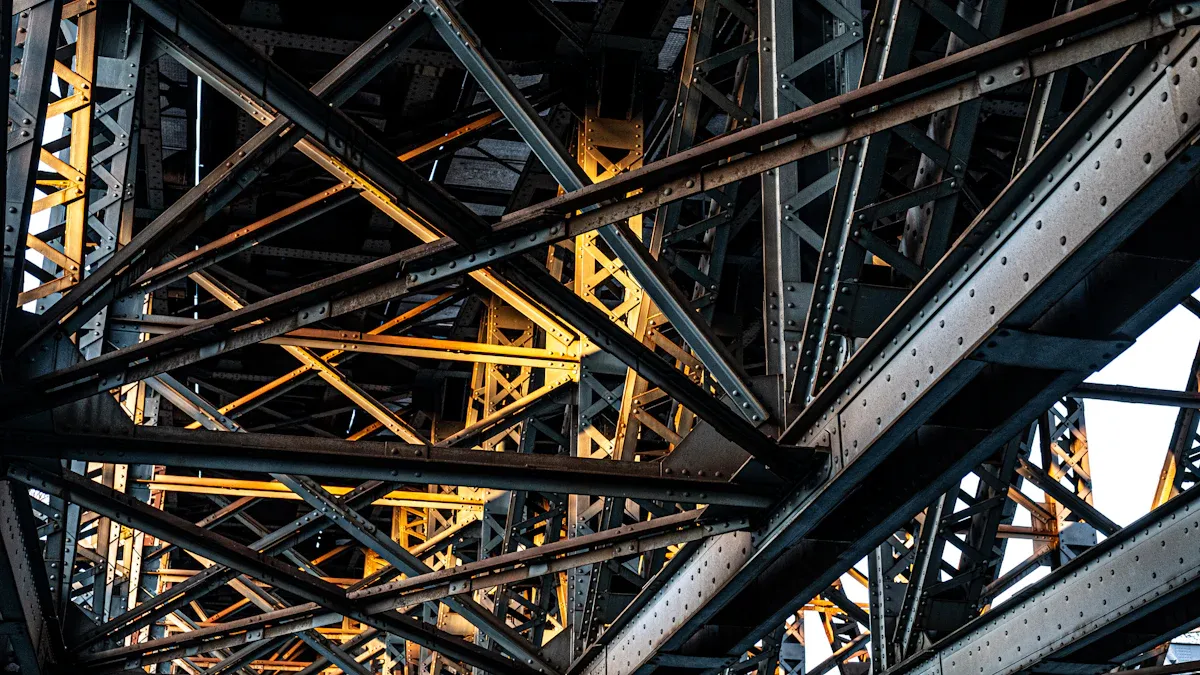
You want a building that stays strong in bad weather. Steel structure buildings can handle hurricanes, earthquakes, and lots of snow. Engineers use local rules and weather facts to make sure your building is safe. Steel bends but does not break, so it is safer in earthquakes. Steel’s strength helps it hold up heavy snow and strong winds better than most other materials.
- Pre-engineered metal buildings stand up to snow, wind, and storms.
- Custom designs follow local rules for wind and earthquakes.
- Steel frames take in energy, which helps during earthquakes.
Here is how long different materials last:
| Material | Average Lifespan |
|---|---|
| Steel | 40-70 years |
| Aluminum | 30-50 years |
| Copper | Over 70 years |
| Wood | 20-30 years |
| Concrete | 50-100 years |
| Stone | Over 100 years |
Non-Combustible and Fire Safe
You want your building to be safe from fire. Steel does not burn, so it keeps your things and people safe. Many steel buildings pass tough fire safety tests. Here are some common certifications:
| Standard | Description |
|---|---|
| ANSI/UL 1709 | Tests fire protection for steel, important for chemical plants. |
| ANSI/UL 263 | Checks fire resistance for building materials. |
| British Standard 476: Part 21 | Tests fire resistance for steel in many regions. |
Corrosion and Pest Resistance
Steel structure buildings keep out bugs and mold. Steel does not get termites or rot like wood. Special coatings and finishes stop rust and corrosion. You spend less money fixing things, and your building stays strong for many years.
Tip: Pick steel to stop pest problems and save time on repairs.
Fast Construction for Industrial Use
Pre-Engineered Building Systems
You want your building ready fast. Pre-engineered steel building systems help with this. These systems use parts made in a factory. The parts fit together quickly at the site. You do not wait for concrete to dry. You also do not need to make many changes on-site. These systems can make building time shorter by about one-third. Working with steel costs about 30% less than old ways. Most builders say modular construction makes less waste. It also makes the worksite safer.
Frank Melo, Director of Summit Steel Buildings, says, “We get steel panels ready in our factory before building starts… Finishing steel buildings sooner means you can use them faster and make money sooner.”
Reduced Downtime
You want to start using your building soon. Steel structure buildings let you open in weeks, not months. Prefabricated steel parts come ready to put together. This helps you avoid delays from weather or not enough workers. You can train your workers earlier and start work sooner. The faster you finish, the faster you make money.
- Projects can open in weeks, not months.
- Finishing early means less waiting and more work.
- Prefabrication helps keep your project on time.
Quick Project Turnaround
Steel structure buildings have some of the fastest timelines. Design and engineering take about 4–6 weeks. Making and sending the steel parts takes 8–10 weeks after plans are ready. Putting the building together on-site is quick. Your building can be ready in 6–10 months. This is much faster than old ways of building.
| Phase | Typical Timeframe |
|---|---|
| Design and Engineering | 4–6 weeks |
| Fabrication and Delivery | 8–10 weeks |
| On-Site Erection | Faster than traditional |
| Total Project Timeline | 6–10 months |
Villa says, “With post-tension concrete, each floor takes five to seven days. With steel panels, we set them in two days. We put decking and pour concrete in about four days.”
Flexibility and Open Space Design
Large Column-Free Areas
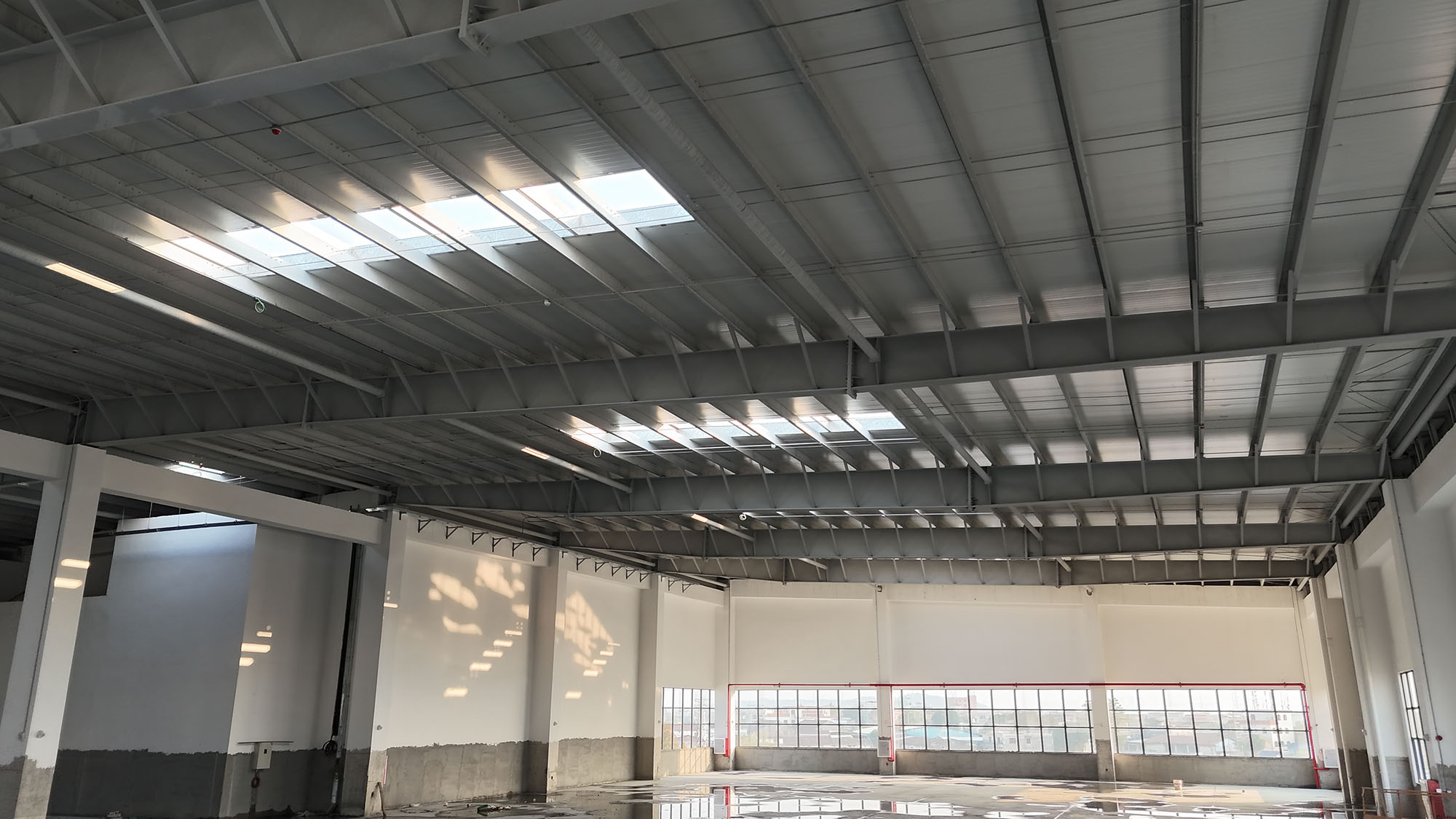
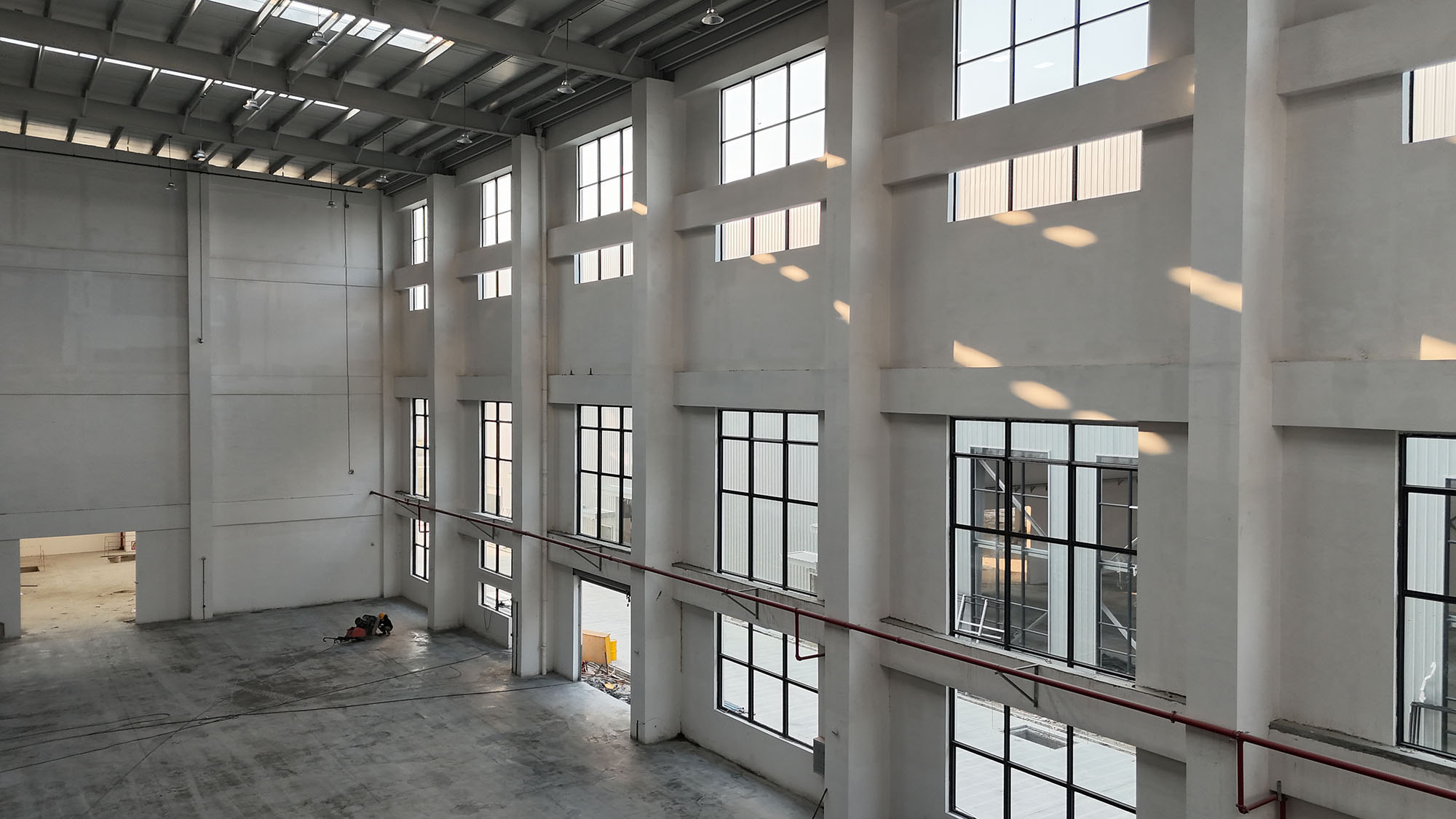
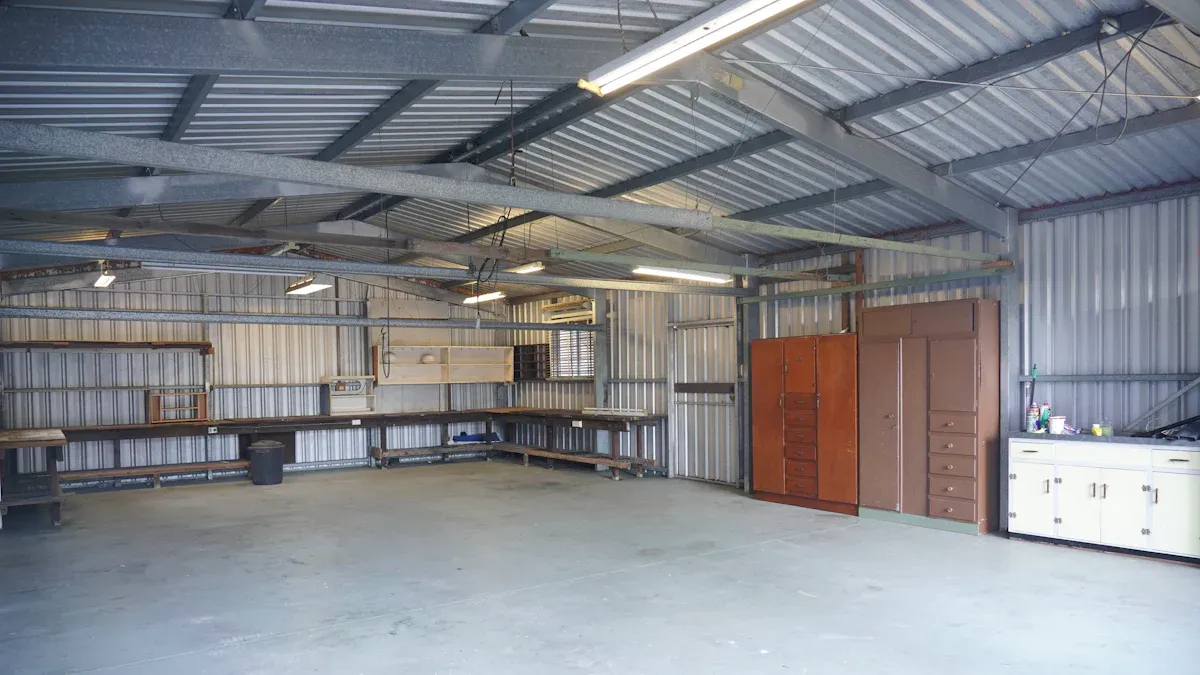
Steel structure buildings give you big open spaces. There are no columns in the way. You can use all the space in your building. This makes it easy to move things around. You do not have to work around obstacles. Open areas help keep workers safe. Fewer columns mean fewer accidents. You can change your setup as your business grows.
- Use more space and work better
- Get more done and help customers faster
- Make the workplace safer
- Save money when you need to change things later
Tip: Open spaces help you finish work faster and keep everyone safe.
Customizable Layouts
You can make your steel building fit your needs. Pre-engineered metal buildings give you more choices than wood. You pick the size, shape, and height you want. Different framing systems let you build many types of spaces. You can set up the layout for your tools and work. Custom designs help you use every part of your building. This makes your work faster and keeps things neat.
- Many framing systems for different uses
- Pick the length, width, and height you need
- Layouts that fit your tools and work
- Use space well for a better work flow
Easy Expansion
Steel buildings are easy to make bigger when you need more space. First, you talk with someone and get a drawing of your new area. After you agree, you sign a contract. Then, engineers make detailed plans for your new space. They check that everything meets building codes. This step-by-step plan keeps your project moving.
| Procedure | Description |
|---|---|
| Consultation & Preliminary Drawing | Talk about what you need and get a design with costs. |
| Contract Signing | Sign the contract after you say yes to the plan. |
| Post-Contract Signing | Make technical drawings for building and putting together. |
| Engineering and Code Compliance | Make sure the base and connections follow all rules for metal buildings. |
Note: Steel structures help you grow your building with less waiting and lower costs.
Low Maintenance Needs
Minimal Upkeep
You want a building that does not need much work to stay in good shape. Steel structure buildings make this easy. You do not have to paint them often or worry about pests. You only need to clean them sometimes and check the fasteners. When you compare steel to wood or concrete, you see how much less work steel needs:
| Building Type | Maintenance Requirements | Major Interventions Over 50 Years |
|---|---|---|
| Wood | Regular painting every 3-7 years, pest treatment, moisture treatment | 7-10 |
| Steel | Occasional cleaning, fastener checks | 2-3 |
| Concrete | More than steel (not directly compared) | N/A |
Steel buildings need fewer repairs and less attention than wood or concrete. This saves you time and effort.
Lower Repair Costs
You save money with steel buildings because repairs do not happen often. Most owners spend only 1% to 3% of the building’s cost each year on maintenance. Steel does not rot or get termites, so you avoid big repair bills. You also spend less on painting and fixing damage. Many owners find that steel buildings cost less to build, maintain, and operate than other types.
- Lower yearly maintenance costs
- Fewer repairs over the building’s life
- No need for pest control or frequent painting
Maintenance Tips
You can keep your steel building in top shape with a few simple steps:
- Inspect the roof, walls, foundation, and doors every month and after storms.
- Clean surfaces with mild soap and soft tools to prevent scratches.
- Check for rust and apply protective coatings if needed.
- Seal cracks around windows and doors to keep out water and save energy.
- Watch for settling or cracks in the foundation.
- Adjust your maintenance plan for each season.
“Steel structures must follow building codes and standards. Regular maintenance keeps your building safe and strong.”
Sustainability of Steel Structure Buildings for Industrial Use
100% Recyclable Materials
Choosing steel structure buildings helps the planet. Steel is recycled more than most materials. In the United States, steel has about 92% recycled content. When your building is old, you can recycle all the steel. The steel does not lose quality when recycled. This keeps waste out of landfills and helps the environment. New ways to make steel use less energy. They also make fewer emissions than older ways.
Tip: Steel lasts for many years. Cold-formed steel can last almost 700 years if you take care of it.
| Evidence Type | Description |
|---|---|
| Precision Manufacturing | Steel framing uses exact modeling, so less waste goes to landfills. |
| Efficient Design | Panelization can cut building time by up to 75%. This saves energy and resources. |
Energy Efficiency
Steel structure buildings help you save energy every day. Smart designs keep the temperature steady inside. Good insulation keeps heat and cold out. Roofs with reflective panels, like Galvalume+, keep buildings cool. Insulated doors and sealed entries stop drafts. Ridge vents and wall louvers help air move better. Wall panels and windows let in sunlight, so you use less electricity.
- Insulation makes your building comfortable.
- Reflective roofs help lower cooling costs.
- Good airflow and sunlight help save energy.
Green Building Standards
Steel structure buildings can meet top green building standards. Many buildings get certifications for being green.
| Certification Name | Description | Levels/Criteria |
|---|---|---|
| LEED | Known worldwide, gives points for green features. | Certified, Silver, Gold, Platinum |
| BREEAM | Checks how well buildings help the environment. | Pass, Good, Very Good, Excellent, Outstanding |
| Green Star | Rates how green the design and building are. | 4 Stars, 5 Stars, 6 Stars |
| Living Building Challenge | Wants buildings that do not hurt the environment. | N/A |
Note: Steel structure buildings help you reach your green goals. They also lower your impact on the environment.
Steel structure buildings help you save money. They last a long time and are quick to build. You can change the design if you need to. You do not have to fix them often. Steel does not burn, rot, or get bugs. It also stands up to bad weather.
- You can use steel for warehouses, factories, or stores.
- Ask a steel building expert to help you plan your project.
FAQ
What types of industrial facilities can use steel structure buildings?
You can use steel structure buildings for warehouses, factories, workshops, and retail stores. Steel works well for many industrial needs.
How long does it take to build a steel structure building?
You can finish most steel buildings in 6 to 10 months. Fast construction helps you start work sooner.
Tip: Pre-engineered parts speed up the building process.
Are steel structure buildings safe during fires?
Steel does not burn. You get better fire safety than wood buildings. Many steel buildings meet strict fire safety standards.
| Material | Fire Resistance |
|---|---|
| Steel | High |
| Wood | Low |