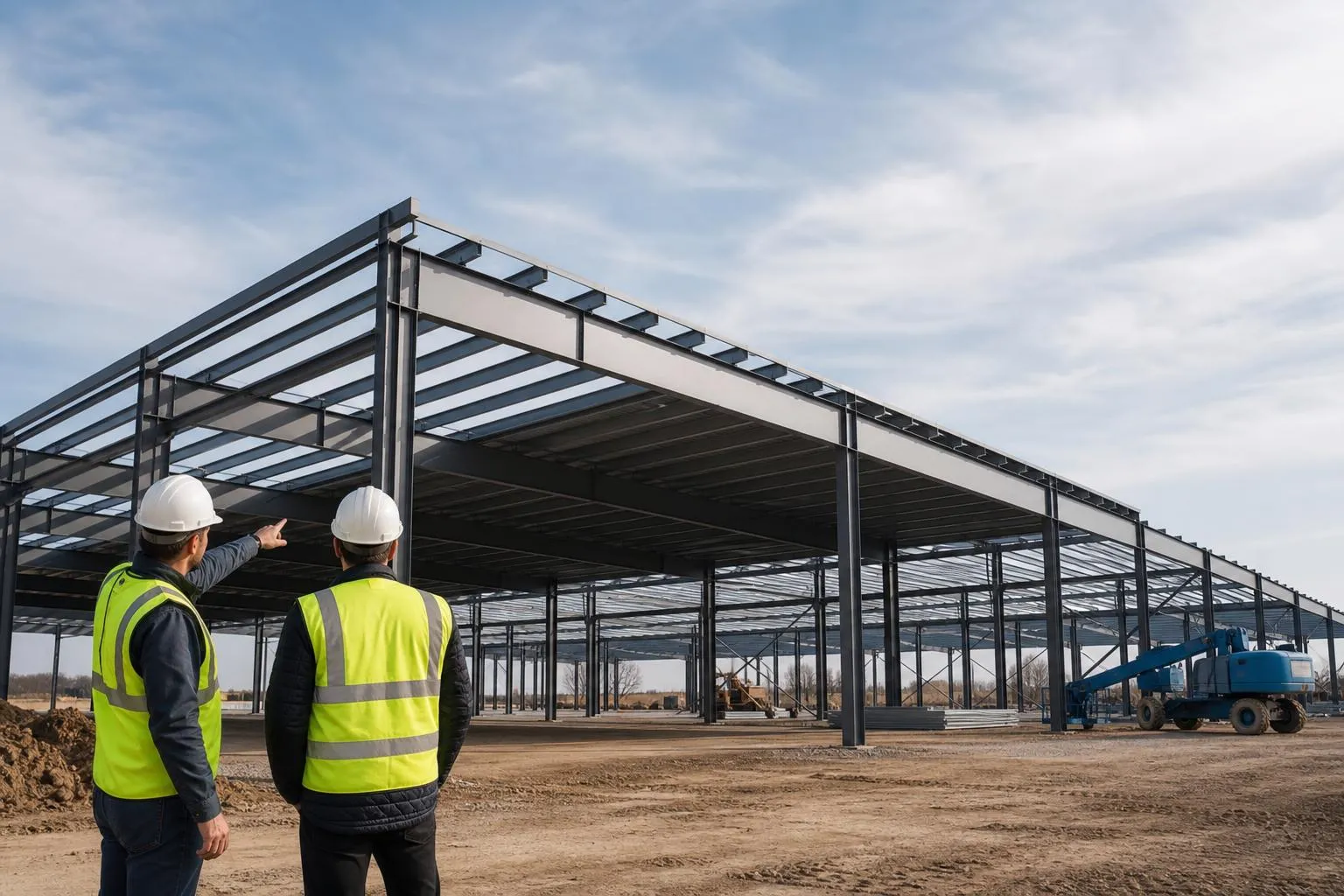
Prefabricated steel buildings have quietly become one of the most practical construction options available, and 2026 is shaping up as a pivotal year for the industry. Between new steel alloys, AI-assisted design tools, and tighter energy codes pushing builders toward more efficient structures, the market looks nothing like it did even five years ago. Whether you’re planning a 50,000-square-foot warehouse, a retail storefront, or a residential barndominium, understanding what prefabricated steel can do for you right now is worth your time. This guide to prefabricated steel buildings covers everything you need to know: materials, costs, applications, design options, and the buying process for 2026.
The Evolution of Prefabricated Steel in 2026
The prefab steel industry has matured significantly. What used to be synonymous with bland metal boxes is now a sophisticated construction sector producing buildings that rival traditional construction in aesthetics while outperforming it in speed and cost.
Advancements in High-Strength Steel Alloys
Steel manufacturers have been pushing the boundaries of material science, and 2026 buyers are reaping the benefits. High-strength low-alloy (HSLA) steels now commonly used in prefabricated buildings offer tensile strengths exceeding 80,000 PSI, which means structural members can be thinner and lighter without sacrificing load-bearing capacity. That translates directly to lower shipping costs and faster erection times.
Several major producers have also introduced corrosion-resistant alloys that extend building lifespans well beyond 50 years with minimal maintenance. If you’re comparing a prefab steel structure to wood-frame or concrete, the material longevity gap has never been wider.
Sustainability and the Move Toward Green Steel
The steel industry’s carbon footprint has been a legitimate criticism for decades, but 2026 marks a turning point. Electric arc furnace (EAF) production, which uses recycled scrap steel, now accounts for roughly 70% of domestic steel output. Several manufacturers have committed to near-zero-carbon “green steel” production using hydrogen-based reduction instead of coal.
For builders chasing LEED or Living Building Challenge certifications, prefab steel’s recyclability is a major advantage. Steel is 100% recyclable without loss of quality, and most prefabricated buildings contain 25-35% recycled content straight from the factory.
Core Benefits of Modern Steel Construction
Steel prefab isn’t just competitive with traditional construction methods: in several critical areas, it’s the clear winner.
Unmatched Speed of Assembly and Site Efficiency
A typical prefabricated steel building can go from bare foundation to weather-tight shell in two to six weeks, depending on size. Compare that to conventional steel or concrete construction, which often takes three to six months for the same footprint. The reason is simple: components arrive pre-cut, pre-drilled, and labeled. Your crew is assembling, not fabricating.
This speed advantage compounds financially. Shorter construction timelines mean reduced labor costs, earlier occupancy, and less exposure to weather delays. For commercial projects where every month of delay represents lost revenue, the math is compelling.
Long-Term Cost Savings and Energy Efficiency
The upfront cost of a prefabricated steel building typically runs 10-25% less than comparable conventional construction. But the real savings show up over time. Steel buildings with modern insulation systems, such as insulated metal panels (IMPs) rated at R-30 or higher, can slash heating and cooling costs by 30-50% compared to older metal building designs.
Insurance premiums also tend to be lower. Steel is non-combustible, termite-proof, and resistant to mold, which insurers reward with reduced rates, sometimes 20-40% lower than wood-frame equivalents.
Superior Durability Against Extreme Weather
If you’re building in hurricane zones, tornado alleys, or heavy snow regions, steel prefab buildings are hard to beat. Engineered to meet specific wind load and snow load requirements, these structures routinely handle 150+ mph wind speeds and ground snow loads exceeding 60 psf. After the devastating storm seasons of 2024 and 2025, demand for steel buildings in coastal and Midwestern states surged noticeably.
Primary Applications and Building Types
Prefabricated steel isn’t a one-trick solution. The range of applications in 2026 is genuinely broad.
Industrial Warehousing and Logistics Hubs
This remains the bread and butter of the prefab steel industry. With e-commerce fulfillment demanding ever-larger distribution centers, clear-span steel buildings offering 200+ feet of unobstructed interior space are the standard choice. The speed of construction is particularly critical here: Amazon, FedEx, and regional logistics companies routinely choose prefab steel to get facilities operational within aggressive timelines.
Commercial Retail and Office Spaces
The stereotype of steel buildings looking industrial is outdated. Modern prefab steel offices and retail spaces incorporate glass curtain walls, brick or stone veneer facades, and interior finishes indistinguishable from conventional construction. Multi-story steel buildings up to four or five stories are increasingly common for mixed-use developments, combining ground-floor retail with upper-floor office space.
Residential Barndominiums and Modular Homes
The barndominium trend has exploded over the past few years, and 2026 shows no signs of slowing down. These steel-framed residential buildings offer open floor plans, low maintenance, and construction costs that often come in under $120 per square foot, fully finished. Modular steel homes, shipped in pre-assembled sections, are also gaining traction in rural and suburban markets where traditional home prices have become prohibitive.
Design and Customization Capabilities
One of the biggest misconceptions about prefab steel is that your design options are limited. The reality is almost the opposite.
Architectural Versatility and External Finishes
Modern prefab steel buildings support a wide variety of exterior treatments: standing seam metal panels in dozens of colors, stucco systems, fiber cement siding, natural stone, and composite wood-look cladding. Roof profiles range from traditional gable to single-slope, hip, and even curved designs. From the street, many of these buildings are indistinguishable from site-built construction.
Interior customization is equally flexible. Mezzanines, partition walls, overhead cranes, climate-controlled zones, and specialized ventilation systems can all be designed into the building from the start.
Clear-Span Engineering for Open Interiors
Clear-span design eliminates interior columns, creating wide-open usable space. In 2026, clear spans of 200 feet or more are standard offerings from major manufacturers, with some engineering custom spans up to 300 feet for aircraft hangars and indoor sports facilities. This flexibility makes steel prefab ideal for uses where interior columns would be impractical or dangerous, from riding arenas to manufacturing floors.
The Prefabricated Building Process
Understanding how the process works from start to finish helps you avoid surprises and stay on budget.
AI-Driven Design and Precision Engineering
Most reputable manufacturers now use AI-assisted design platforms that integrate with Building Information Modeling (BIM) software. You input your requirements: dimensions, loads, climate zone, intended use, and the system generates optimized structural designs in hours rather than weeks. These tools also flag potential issues, like foundation conflicts or code compliance gaps, before a single piece of steel is cut.
The precision of CNC fabrication means components fit together with tolerances measured in fractions of an inch. On-site adjustments and rework, common headaches in traditional construction, are rare with well-manufactured prefab steel.
Permitting and Site Preparation Requirements
Permitting timelines vary wildly by jurisdiction, but plan for four to twelve weeks in most areas. Your manufacturer should provide stamped engineered drawings suitable for permit submission. Some municipalities still treat prefab steel buildings with extra scrutiny, so confirm local requirements early.
Site prep typically involves grading, compaction, and pouring a concrete slab or pier foundation. Foundation design must match the building’s engineered specifications exactly: this is not the place to cut corners.
Logistics, Delivery, and On-Site Erection
Components ship on flatbed trucks, usually requiring two to eight loads depending on building size. Delivery scheduling matters: you need adequate staging area on-site and a crane available for erection day. Most buildings under 10,000 square feet can be erected by a crew of four to six in under two weeks. Larger structures may require specialized erection contractors and four to eight weeks.
Essential Considerations for 2026 Buyers
Buying a prefabricated steel building isn’t complicated, but a few decisions can make or break your project.
Navigating Current Building Codes and Zoning
The 2024 International Building Code (IBC) updates, now adopted in most states as of 2026, include revised wind load maps and updated seismic categories that directly affect steel building design. Make sure your manufacturer is engineering to current code, not outdated standards. Zoning is the other potential landmine: some residential zones restrict metal buildings or impose aesthetic requirements that affect exterior finish choices.
Check with your local planning department before signing any contracts. A $5,000 zoning variance application is much cheaper than discovering your building can’t be permitted after you’ve already ordered it.
Selecting the Right Manufacturer and Contractor
Not all prefab steel manufacturers are equal. Look for companies with at least ten years of operating history, AISC certification, and a portfolio of completed projects similar to yours. Ask for references and actually call them. The cheapest quote often reflects thinner steel gauges, fewer accessories, or slower delivery timelines.
Your erection contractor matters just as much. A poorly assembled building negates every advantage of precision manufacturing. Verify contractor experience with your specific building type and ask for proof of insurance and bonding.
Making Your 2026 Steel Building Decision
Prefabricated steel buildings in 2026 represent one of the best values in construction. The combination of advanced materials, AI-driven design, faster timelines, and genuine aesthetic flexibility makes them viable for almost any building need, from a 2,000-square-foot workshop to a 200,000-square-foot distribution center.
The key is doing your homework before committing. Verify local codes and zoning, get multiple manufacturer quotes with identical specifications for fair comparison, and hire an experienced erection crew. If you approach the process with clear requirements and realistic expectations, a prefab steel building will likely cost less, go up faster, and last longer than any alternative you’re considering. Start by defining your space requirements and budget, then reach out to two or three certified manufacturers for preliminary quotes. The best time to begin planning is now: lead times in 2026 are running six to twelve weeks from order to delivery.