Keywords: steel structure design, warehouses, factories, prefabricated steel buildings, industrial steel buildings
Introduction
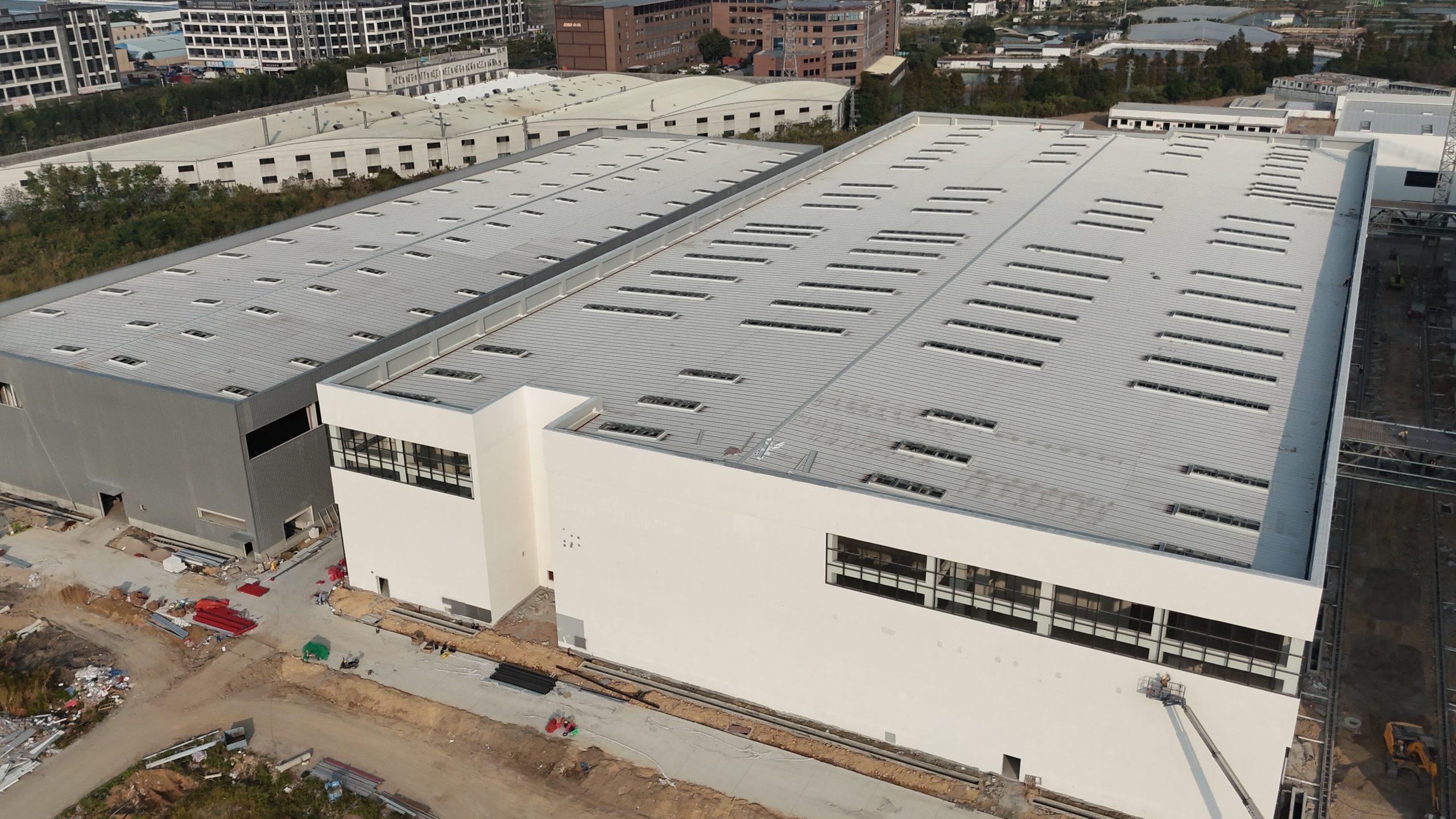
Currently, the industrial world is characterized by steel structures take over the prevailing choice for warehouse and factory applications. These structures are highly durable, more cost-effective, and more flexible in terms of design compared to concrete or brick buildings. With prefabricated (pre-made) steel buildings becoming more popular, businesses have opportunities to save time, reduce labor costs, and build functional spaces according to their operational needs.
The guide also provides a comprehensive overview of the design of steel structures and encompasses several things including planning, material selection, construction, costs, maintenance, and the new trends of steel constructions for commercial purposes. Workshops and businesses provide cost-effective and durable solutions in a short period of time for the creation of other functional areas.
Why Should You Choose Steel Structures For Your Factory Or Warehouse?
Steel warehouses, steel factories, and the many advantages of steel structures
Strength and Durability
Steel buildings have a well-known reputation for being extremely sturdy and durable. Steel structures are capable of handling extreme weights from heavy machinery as well as withstanding tough weather conditions and fire hazards, making them the perfect type of structure to build your industrial warehouse or factory.
Reduced Time of Construction
The use of prefabricated components in the construction of steel buildings greatly reduces the time it takes to build the warehouse compared to traditional building techniques. The overall time it takes to build a warehouse (or ANY type of steel building) is typically reduced by 30-50%. By having a structure erected in a very short period of time, it helps companies save money by reducing the length of time that employees are off work.
Cost-Effectiveness
prefabricated steel helps keep building expenses lower by reducing labor cost as well as material costs. Steel warehouses have much less cost of ownership during their useful life because of their strength, the small amount of upkeep required and how little energy they use.
Design flexibility
Because steel can be made into huge rooms with lots of room and no poles to hold things up, it’s really important for warehouses and factories to store things. The measurables. It’s very easy to build high/resourceful ceilings.
Important factors for designing steel structures
steel structure planning, warehouse layout, factory design, structural engineering
structural loads & safety
When calculating the structural loads of a steel warehouse or factory, engineers need to consider the live and dead loads, as well as wind, snow, and earthquake loads. The live loads are the loads of workers or warehoused materials. The dead loads are those associated with the structure itself. Using the total live load and total dead load can allow the engineers to design a facility that meets all applicable building codes and is safe.
Material Selection
The following materials are commonly used for the construction of steel structures for industrial purposes:
Hot Rolled Steel – Hot rolled steel is used primarily for larger, heavy-duty structures that will have long spans.
Cold Formed Steel – Cold formed steel is typically used in the construction of light-medium weight industrial buildings.
Galvanised Steel – Galvanised steel has a much longer life expectancy because it resists corrosion.
Space Planning and layout
Optimized storage racks, machinery layout, and workflow are important factors. CAD and BIM programs are useful to develop the layout design of warehouses or factories to maximize space usage and allow for smooth operational flow.
Energy Efficiency
Installing things like insulation boards, skylights, and vents helps create energy efficiency by cutting down on heating and cooling costs and offering comfort to workers.
Steel Buildings Used in the Industrial Sector
Keywords: Modular Steel Building, Steel Modular Structures, Light Gauge Steel
Prefabricated Steel Warehouses
Components that are ready to assemble reduce by half the labour and construction period at the site. The modular design allows future installation to take place with the least disruption.
Modular Steel Factories
Ordinary modules have the ability to be reassembled or extended to accommodate the development of a business or a change of operation.
Light Weight Steel Buildings
Steel contributes to the build achieving a lightweight yet strong structure with low budget designs suitable for medium sized projects.
Comparison Table
Type, Material, Construction Time, Suitable for and Cost
Prefabricated Warehouse, Hot rolled or galvanised steel, 3-6 months, Storage (Large) Medium cost
Modular Factories, Cold formed steel, 2-4 months, Manufacturing plant style facilities, Medium to high cost
Light Gauge Buildings, Cold formed steel, 1-3 months, Small to mid size warehouse, Low to medium cost
Construction Process of Steel Structures
• Keywords: steel building construction, steel building assembly, steel warehouse erection
• Foundation and groundwork
Soil Testing and Foundation:
Reinforced concrete foundations are required in order to support the load of the steel frames. Large industrial warehouse buildings need to be stable, so soil tests are performed.
Steel Framing:
The steel members will be hoisted by cranes and will be erected at the site with bolted connections. Prefabrication minimises the amount of time required for construction and the number of mistakes made.
Roof and Wall System:
The metal panels, insulation and sealant/weatherproof coating protect the structure and increases the energy efficiency of the building. Roofing options include standing seam metal roofs; insulated sandwich panels.
Interior and Utilities:
Mechanical installations (Electrical, HVAC, plumbing, fire protection systems) are all installed to industrial standards. The correct planning will allow the building to meet the operational needs of the business without compromising the structural integrity of the building.
Cost Considerations
Keywords: cost to build steel warehouse, cost to build factory, cost of prefabricated steel
Material Selection – Hot rolled steel is more expensive than cold-formed steel.
Design Complexity – Larger spans and customized layouts increase cost.
Labor & Location – Prefabrication reduces labor, but regional differences affect pricing.
Cost Reference Table
Building Type Size (Square Meters) Estimated Cost ($/Square Meter)
Prefabricated Warehouse 1000 450 – 600
Modular Factory 500 500 – 700
Light Gauge Building 300 400 – 550
Maintenance and Longevity.
maintaining steel building, rust proof, corrosion control
You gotta regularly check a steel building to make sure there’s no rust, that the joints are good, and that the insulation is doing what it should. You can put protective coatings on it, and repainting it every so often will help it last longer. If you have good drainage around the foundation, you won’t have to worry about rust or structural issues.
Trends in the future of steel building designs
Key trends: industrial steel buildings, environmentally-friendly steel buildings, smart warehouses
The use of recycled steel is an example of sustainable materials. The use of energy-efficient panels is another example of sustainable materials. The use of sustainable materials have less of a negative impact on the planet.
Smart warehouse technology allows you to integrate the IOT into your warehouse facility, allowing you to take advantage of all the technology available to us now through the IOT, including climate control, inventory monitoring, predictive maintenance etc.
Modular Expansions – The modules are flexible and can be easily adjusted quickly as your business grows.
FAQs (Frequently Asked Questions):
Keywords: steel buildings, steel warehouses FAQs, questions about industrial steel buildings
Q1: How long does it take to construct a steel warehouse?
A: It is possible to construct steel warehouses within 2-6 months, depending on their size, as well as the amount of prefabrication involved in their construction.
Q2: Are steel warehouse buildings more expensive to purchase than concrete warehouse buildings?
A: Initial costs are comparable but the steel provides lower total cost of ownership over its life cycle (lower total cost of ownership (TCO)) and will provide a faster return on investment (ROI).
Q3: Are steel buildings easily expandable?
A: Absolutely, the prefabricated and modular design of steel buildings allows seamless expansions.
Conclusion
Three main goals of choosing a steel structure warehouse and factory design: durability, affordability, and flexibility. Businesses can access the long-term value of choosing a steel structure warehouse/construction project by carefully considering the right construction equipment, the right materials, and providing the right care of their investment.
Moreover, prefabrication and modular construction are contributing to an increase in strength, speed and sustainability in the future of industrial construction.